Entry-level hiring Reduce hiring bias and improve diversity
Bias is costing you the best-fit candidates.
It’s time to make hiring decisions fairer.
- Hiring bias costs the global economy $8T annually.
- Minority candidates are 50% less likely to be hired.
✅ Realistic Job Assessments eliminate hiring bias.


Bias in hiring is costing you the best candidates – here’s how to fix it
Too many strong-fit candidates are overlooked before they even get a chance. Traditional hiring processes rely on CVs and gut feel—introducing bias that shuts out diverse applicants and reinforces inequality.
The result? Fewer opportunities for underrepresented groups, weaker hiring decisions, and higher turnover when new hires struggle to meet expectations.
ThriveMap’s Realistic Job Assessments remove bias by assessing candidates on what actually matters—their ability to succeed in the role.
Build a fairer hiring process with ThriveMap.
Why Realistic Job Assessment eliminate hiring bias:

Fairer, more inclusive hiring
Realistic Job Assessments ensure every applicant is assessed on what truly matters: their ability to do the job.

Bias-free decision-making
Structured, job-relevant assessments removes unconscious bias from hiring. This means recruiters make fair, data-driven decisions based on skills—not background, education, or personal connections.

Equal opportunities for all
Diverse candidates are often overlooked due to unconscious bias. Realistic Job Assessments level the playing field, giving every applicant an equal shot by measuring their potential through real-world job tasks.

Stronger, more committed hires
When candidates understand the role upfront, only those who are truly interested and capable move forward. This leads to better job fit, higher engagement, and improved retention—without bias getting in the way.
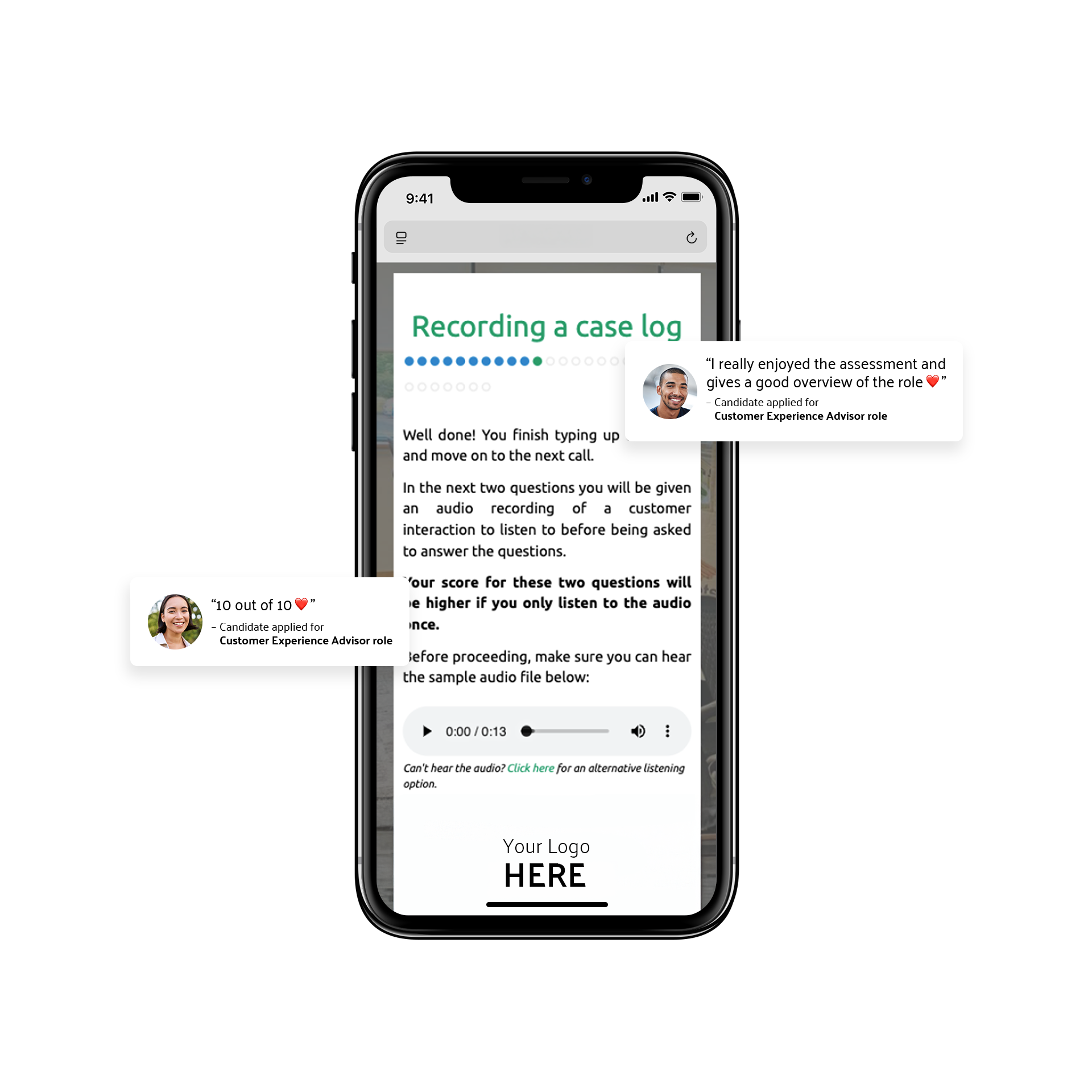
Go beyond skills testing – Assess real-world performance
Traditional skills tests only scratch the surface. ThriveMap’s Realistic Job Assessments go deeper, evaluating how candidates think, respond, and behave in real workplace scenarios. By immersing them in day-to-day tasks, you gain a true understanding of their suitability—ensuring they’re not just capable but the right fit for the role and your culture.
Ask the right questions, find the right people
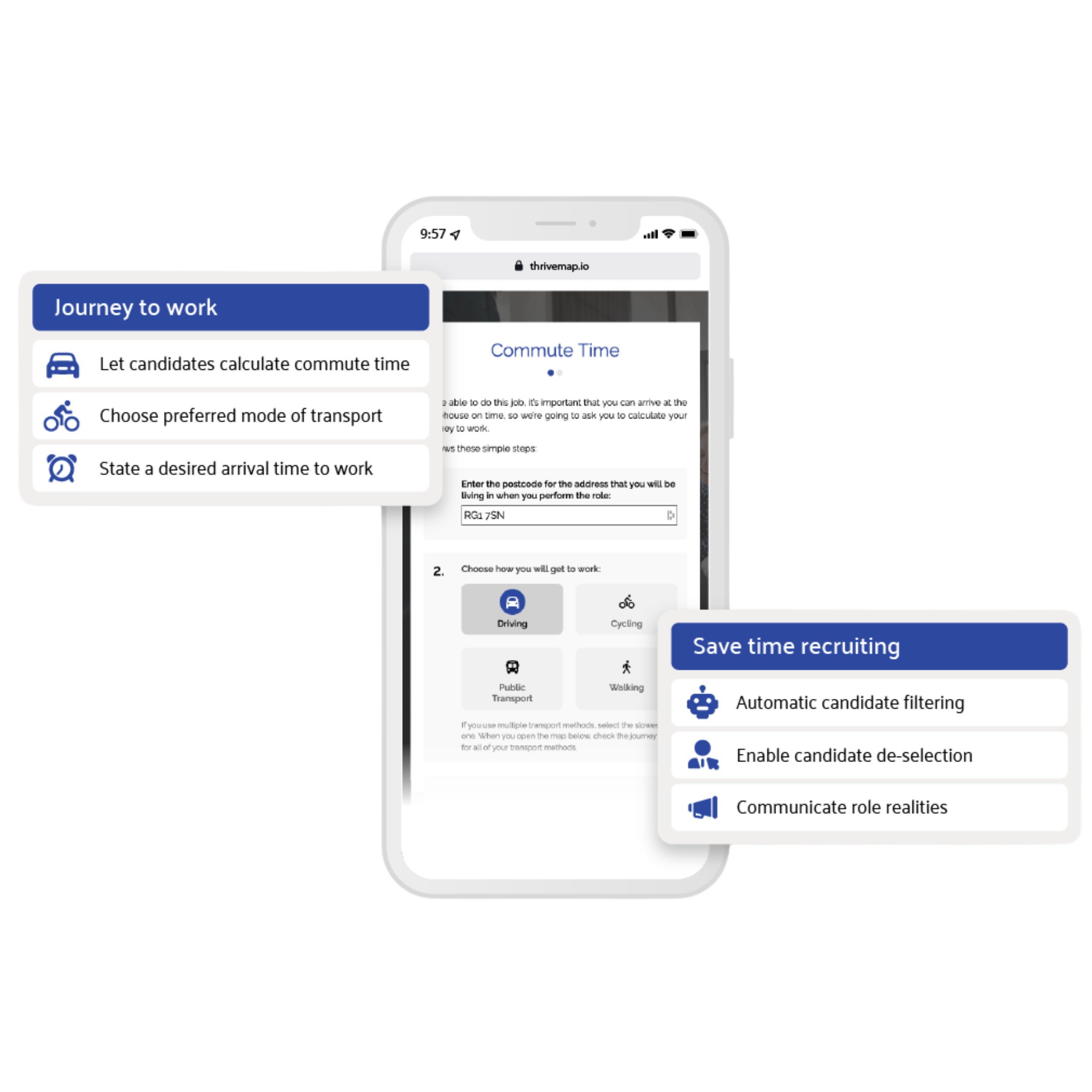
Generic hiring assessments don’t tell the full story. ThriveMap asks practical, job-relevant questions that reflect the actual role—helping candidates self-assess their fit before they even apply. This ensures only those who truly align with the job’s realities move forward, reducing dropouts and improving long-term retention.
 |
Berkeley Group eliminated CV screening to create a diverse and fair apprenticeship selection process. |

Seamless integration, smarter hiring
Hire with confidence, build a more diverse workforce
Eliminate hiring bias by assessing candidates on their skills—not their background. ThriveMap helps you hire fairly, ensuring every applicant gets an equal opportunity to succeed. Get started or request a demo today.
Continue reading about hiring bias:
Hiring bias: 16 types of bias (and how to prevent them)
Diversity, inclusion and unconscious bias are buzzwords in recruitment right now. The benefits of increasing the diversity of your company workforce are beyond question…
Hiring Discrimination: 6 Tips to Reduce It
Unfortunately hiring discrimination is on the rise. A recent study on employee charge trends found that 12% of U.S. businesses have had an employment…
How to Hire for Culture Fit Without Harming Diversity
Culture fit is somewhat of an HR buzzword right now, with hundreds and thousands of articles being written about it’s importance each year. This…
FAQs
Hiring bias—whether conscious or unconscious—causes highly capable candidates to be overlooked, limiting diversity and reducing the quality of hires. Research shows minority candidates are 50% less likely to be hired, even with identical qualifications. This not only damages employer reputation but also leads to weaker team performance and reduced innovation. ThriveMap’s Realistic Job Assessments eliminate bias by assessing candidates on actual job tasks, not subjective factors like CVs or personal backgrounds. The result? A fairer, more inclusive hiring process that ensures the best candidates—regardless of background—get the opportunities they deserve.
Bias-free hiring isn’t just a goal—it’s a necessity for building stronger, more innovative teams. Instead of relying on traditional screening methods that favour certain backgrounds, Realistic Job Assessments provide an unbiased, role-relevant way to evaluate candidates. This ensures fair opportunities for everyone, regardless of experience or education. Companies using this approach see unbelievable results: greater workforce diversity, improved retention, and more engaged employees from day one. If your hiring process isn’t delivering diverse talent, it’s time to change the way you assess candidates.
Many AI-driven hiring tools rely on pattern recognition from past hiring data, which can reinforce existing biases—especially at the entry level. When CV-screening algorithms prioritize certain backgrounds, education levels, or keywords, they unintentionally exclude capable candidates who don’t fit historical patterns. This creates an unfair hiring process that favors the same types of applicants time and time again.
With ThriveMap’s Realistic Job Assessments, hiring decisions remain human-led. We automate the assessment process but not the judgment of what makes a great hire. Candidates are evaluated based on real job tasks, ensuring fairness, transparency, and accuracy. This removes the risks of “black box” AI decision-making and gives companies a faster, fairer way to identify the best-fit candidates—without relying on biased algorithms.