 Safelite
Automotive Repair
Safelite
Automotive Repair
$1.1 Million in cost savings from reduced new hire attrition
Safelite, the largest auto glass specialist in the US, had a new-hire attrition problem. Technicians were coming through generic assessments that neither reflected the job nor set honest expectations, then leaving before training had paid back. ThriveMap replaced the generic screen with a virtual shift of the real role, and changed which candidates ever reached the training floor.
Who
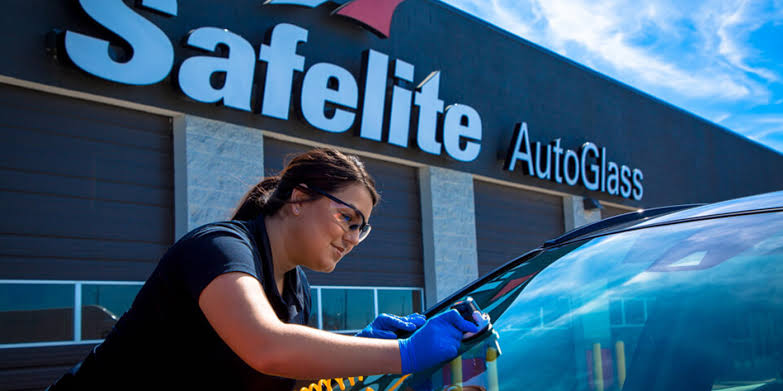
Safelite - the largest auto glass specialist in the United States. Founded in 1947, with more than 720 locations, 9,000+ employees, and over 6 million customers served each year.
The challenge
New-hire attrition. Generic assessments screening 100,000+ candidates a year without reflecting the job or setting honest expectations. Technicians leaving before training costs had paid back.
The role of ThriveMap
Replaced generic assessments with a Realistic Job Assessment - a virtual shift of the technician role, with the option to self-select out.
Already assessing candidates, still losing new hires.
Safelite’s frontline runs on auto glass technicians: more than 720 locations, 9,000+ employees, six million customers a year. And unusually for a volume hirer, the applicant pool overlaps with the customer base. Many of the 100,000+ people applying each year are existing Safelite customers, which means every hiring interaction is also a brand interaction. The recruitment team knew their pre-hire process shaped culture, productivity, and financial performance, and it wasn’t delivering. They were already using assessments. The assessments just weren’t working.
Two things were driving it. The first was the assessments themselves. Generic, off-the-shelf tests told Safelite little about who could actually do the job, and told candidates nothing about what the job was actually like. They missed the chance to showcase the company’s culture and set honest expectations, so people were accepting offers based on job descriptions that didn’t match the role, then leaving when reality arrived. The second was the sift. With volume that high, manually screening applications was a heavy administrative burden on recruiters and hiring managers, and handing the sift to AI wasn’t an option Safelite was willing to take, given valid concerns over bias.
The brief to ThriveMap was specific. Reduce new-hire attrition by making sure candidates knew what they were signing up for. Bring consistency to hiring decisions across hundreds of locations. And do it with a process that respected candidates who might also be customers, at a volume of tens of thousands of applications a year.
A virtual shift, built from the real one.
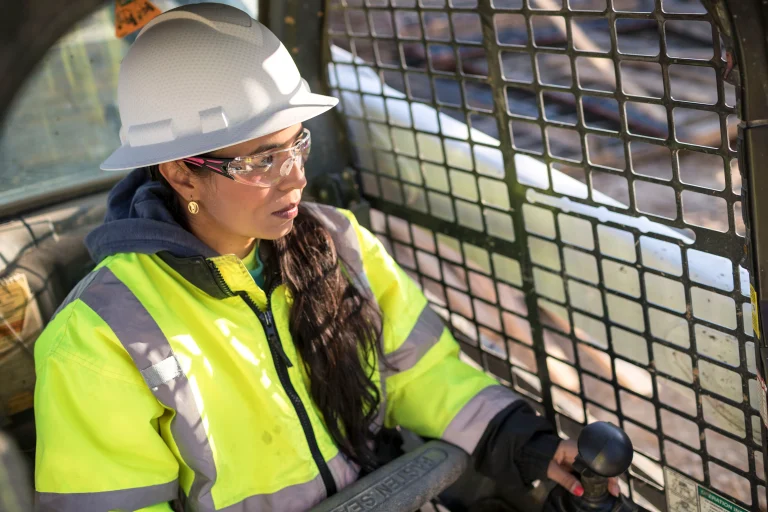
The work started with the people who know the job. Using Signal, ThriveMap’s job analysis tool, and a workshop with Safelite’s HR and recruitment team, ThriveMap’s assessment designers analysed the day-to-day realities of the technician role: the tasks, the scenarios, the moments that separate the people who thrive from the people who leave. The output was an Ideal Candidate Profile grounded in what the job actually demands, not what a generic test assumes it might.
From that profile, ThriveMap built Safelite a Realistic Job Assessment as a virtual shift: a digital day-in-the-life of the role. Candidates worked through the tasks and work scenarios Safelite’s own employees encounter, and were scored on the behaviours that predict success in them. Candidates who realised the work wasn’t for them could step out cleanly before either side invested further. And for the candidates who came through, the assessment kept working after the hire: managers could see each new recruit’s strengths and weaknesses from their results, so onboarding started with a head start rather than a blank page.
What changed across retention, speed, and cost.
Safelite measured new-hire retention at 30, 60, and 90 days, comparing cohorts screened by the previous generic assessment against cohorts screened by ThriveMap. The 90-day window is the one that matters most: it’s where training investment either pays back or walks out the door.
The 9% lift in 90-day retention translated directly into money: 155 fewer failed hires a year, at an average training cost of $7,000 per hire, is the $1.1 million saving, and that’s in reduced training costs alone. It doesn’t count the recruitment efficiencies or the cost of backfilling vacant positions. Speed moved in the same direction. Time to fill dropped by 34%, which across a network of Safelite’s size meant 30,870 fewer days of unfilled vacancies each year. That’s roughly 82 years of vacancy, removed annually.
The diversity gain nobody expected.
The unexpected result was who Safelite ended up hiring. New-hire diversity increased by 60% across the cohorts screened by the new assessment. As with every strong diversity outcome we’ve measured, it wasn’t the product of quotas or targets. Nothing in the assessment was designed to change the demographic mix of hires. It was designed to be job-relevant, and job-relevance did the rest.
The mechanism is worth understanding. Generic assessments carry bias in ways that are hard to see and harder to challenge: abstract reasoning puzzles that advantage particular educational backgrounds, personality frameworks normed on populations that don’t resemble your applicant pool, culturally loaded question styles. Safelite had already ruled out AI screening over exactly this kind of concern. A realistic assessment removes the problem at the root. When every candidate faces the same scenarios drawn from the same real job, and is scored on the same observable behaviours, the things that don’t predict performance stop influencing who gets through.
For a frontline workforce serving six million customers across the United States, that matters beyond fairness. A hiring process that finds capable people regardless of background builds a workforce that looks like the customers it serves, and it’s evidence for something ThriveMap has seen repeatedly: rigour and fairness in hiring aren’t a trade-off. The same change delivers both.
"ThriveMap is a total game changer. We needed a tool that assisted us with the whole process – from selecting people that met desired behaviours to fully supporting the hiring managers so that they could recruit with confidence."

Better-fit technicians, lower costs, and a fairer hiring process.
What changed for Safelite's technician hiring.
155 fewer failed hires a year
At an average training cost of $7,000 per hire, that's the $1.1M saving, in reduced training costs alone.
34% reduction in time to fill
Faster hiring translated to 30,870 fewer days of unfilled vacancies each year across the network.
60% increase in new-hire diversity
Evidence that a job-relevant assessment removes bias that generic screening quietly builds in.
+14% lift in 90-day retention
Measured against the previous generic assessment across like-for-like cohorts, the lift that drives the 155 fewer failed hires.
See what this could look like for your frontline hiring.
A 30-minute call with someone who's set up pre-hire assessments for frontline TA teams like Safelite Autoglass. No sales pitch - just your roles, your plans, and a discussion around how we can help.